In the ever-evolving world of web development, Headless WordPress is emerging as a powerful solution for developers and businesses seeking more flexibility, speed, and scalability. But what exactly is headless WordPress, and how do you know if it’s right for your project? Let’s dive into the concept, benefits, and the best scenarios to use it.
What is Headless WordPress?
Traditional WordPress is a monolithic CMS (Content Management System), meaning the backend (where content is managed) and the frontend (what users see) are tightly connected. In contrast, Headless WordPress decouples these two layers.
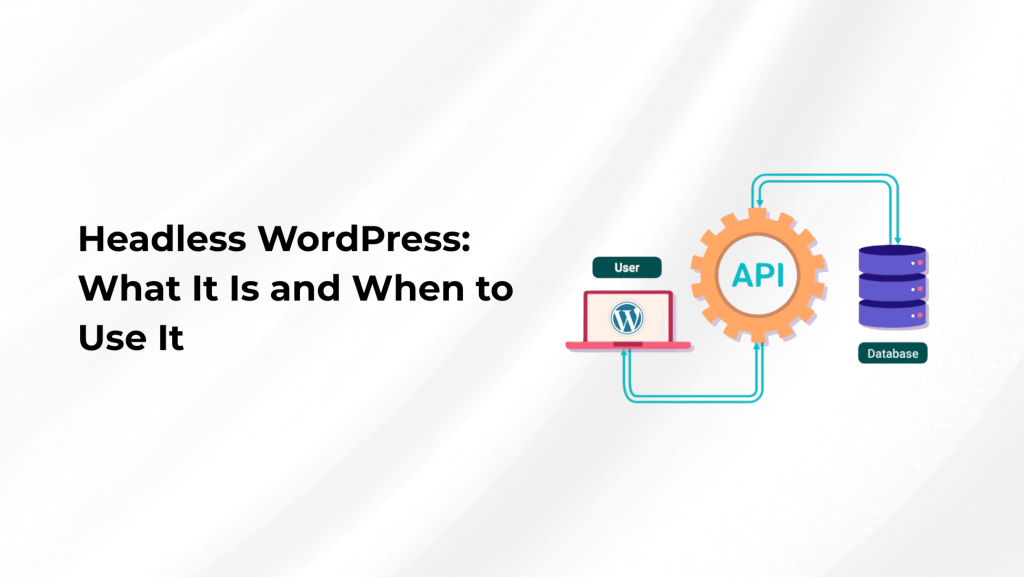
In a headless setup, WordPress is used solely as a content repository (backend), and the frontend is built using modern JavaScript frameworks like React, Next.js, Vue, or Angular. The communication between the frontend and WordPress backend happens via REST API or GraphQL.
How Does Headless WordPress Work?
Here’s a simplified breakdown:
-
Content Management: You create and manage content in the WordPress dashboard as usual.
-
API Communication: The content is fetched using REST API or GraphQL endpoints.
-
Frontend Rendering: A separate frontend framework renders the content for users, delivering a more dynamic and app-like experience.
Benefits of Using Headless WordPress
1. Performance and Speed
With modern frontend frameworks and static site generation, websites built on headless architecture are often faster and more optimized than traditional WordPress sites.
2. Greater Flexibility
You can build custom user experiences, integrate with multiple platforms (like mobile apps or IoT devices), and use any technology stack for the frontend.
3. Improved Security
Since the frontend and backend are separate, the risk of direct attacks on your WordPress installation is minimized.
4. Omnichannel Content Delivery
Publish your content once and distribute it across websites, mobile apps, and even digital displays using the same API-driven backend.
When to Use Headless WordPress
While headless WordPress offers many benefits, it’s not suitable for every project. Here’s when it makes sense to use it:
✅ You Need a Highly Customized Frontend
If your website demands a tailored user interface or interactive features beyond WordPress themes, headless gives you full creative control.
✅ You’re Building a Web App or SPA
For web applications or single-page applications (SPAs) that require dynamic content and state management, headless is the ideal choice.
✅ Multi-Platform Content Delivery
If your content needs to appear on different platforms (web, mobile, kiosks), headless architecture allows seamless distribution from a single source.
✅ Performance and SEO Are Top Priorities
Headless frameworks like Next.js offer static site generation and server-side rendering, significantly boosting performance and SEO.
When to Stick with Traditional WordPress
Headless WordPress is powerful but also more complex. You might want to stick with the traditional WordPress approach if:
-
You don’t have a development team familiar with modern JavaScript frameworks.
-
You need fast deployment with minimal customization.
-
You rely heavily on plugins and themes that are built for traditional WordPress.
Final Thoughts
Headless WordPress is reshaping how developers think about content management and frontend delivery. It’s an excellent choice for businesses seeking performance, flexibility, and scalability—especially in multi-platform environments. However, it’s essential to assess your project requirements, technical resources, and long-term goals before making the switch.
By embracing headless architecture when appropriate, you can unlock the full potential of modern web development while still enjoying the content management power of WordPress.